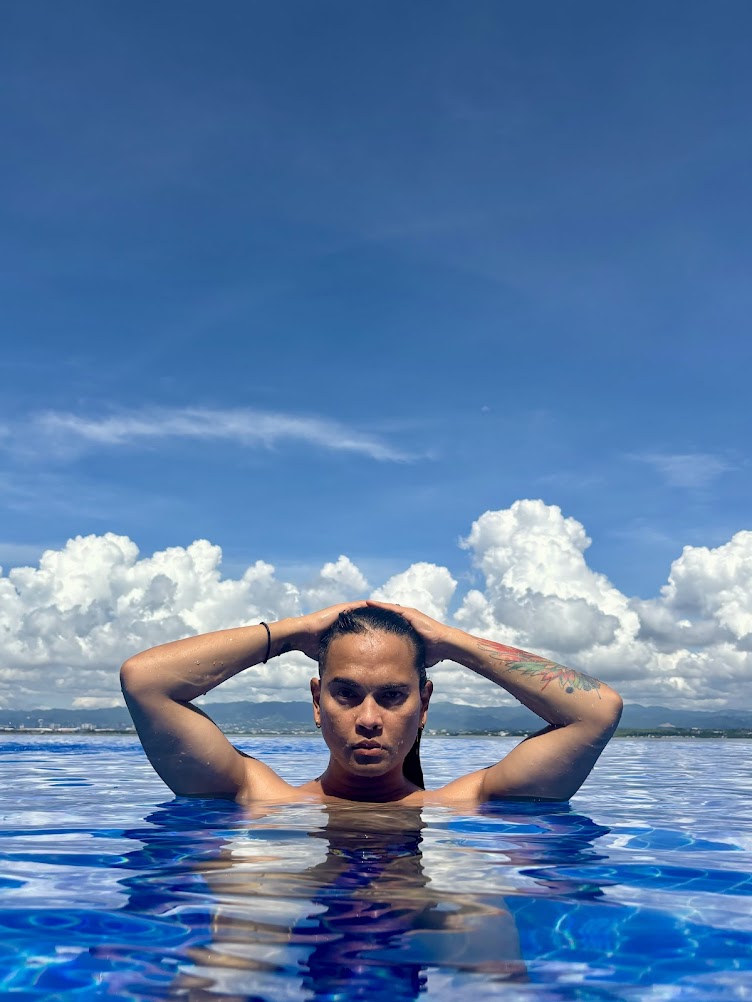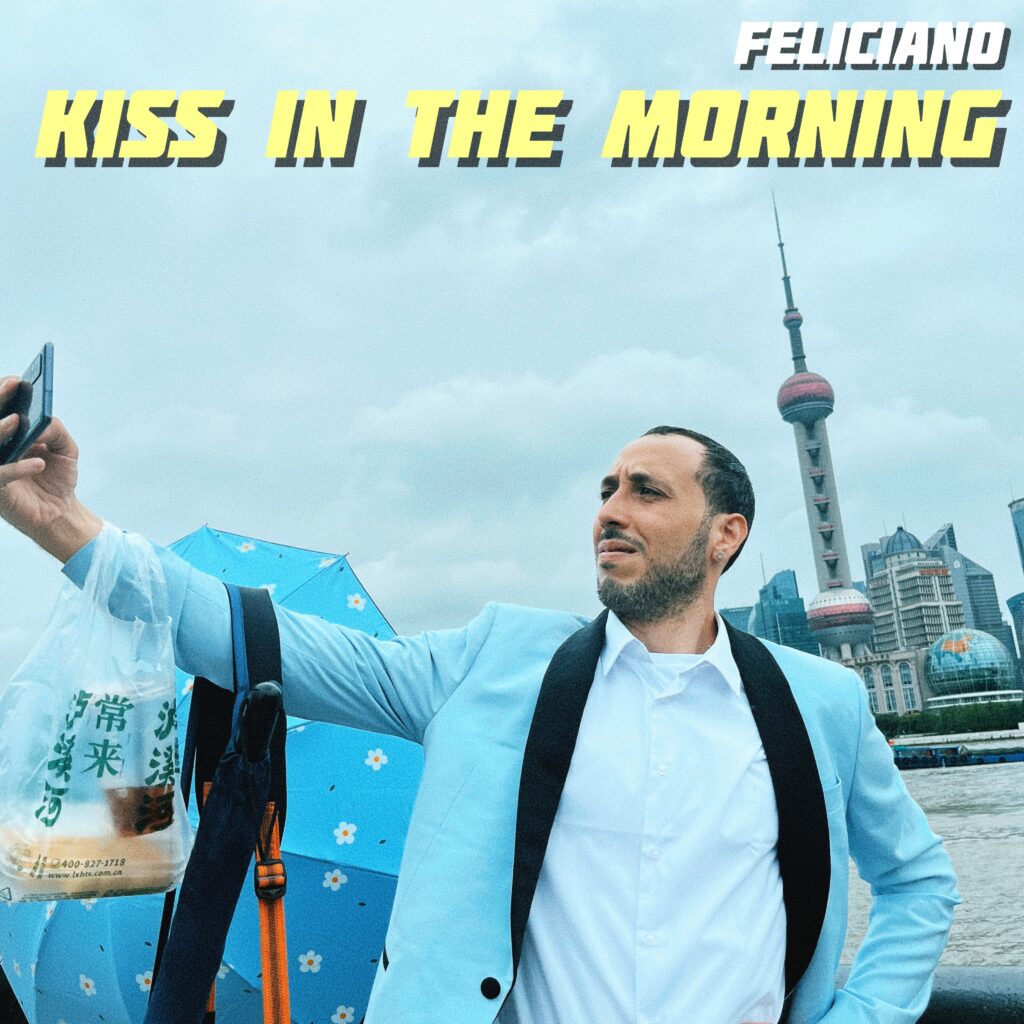
A conversation with You Liang about “Feel Addicted”
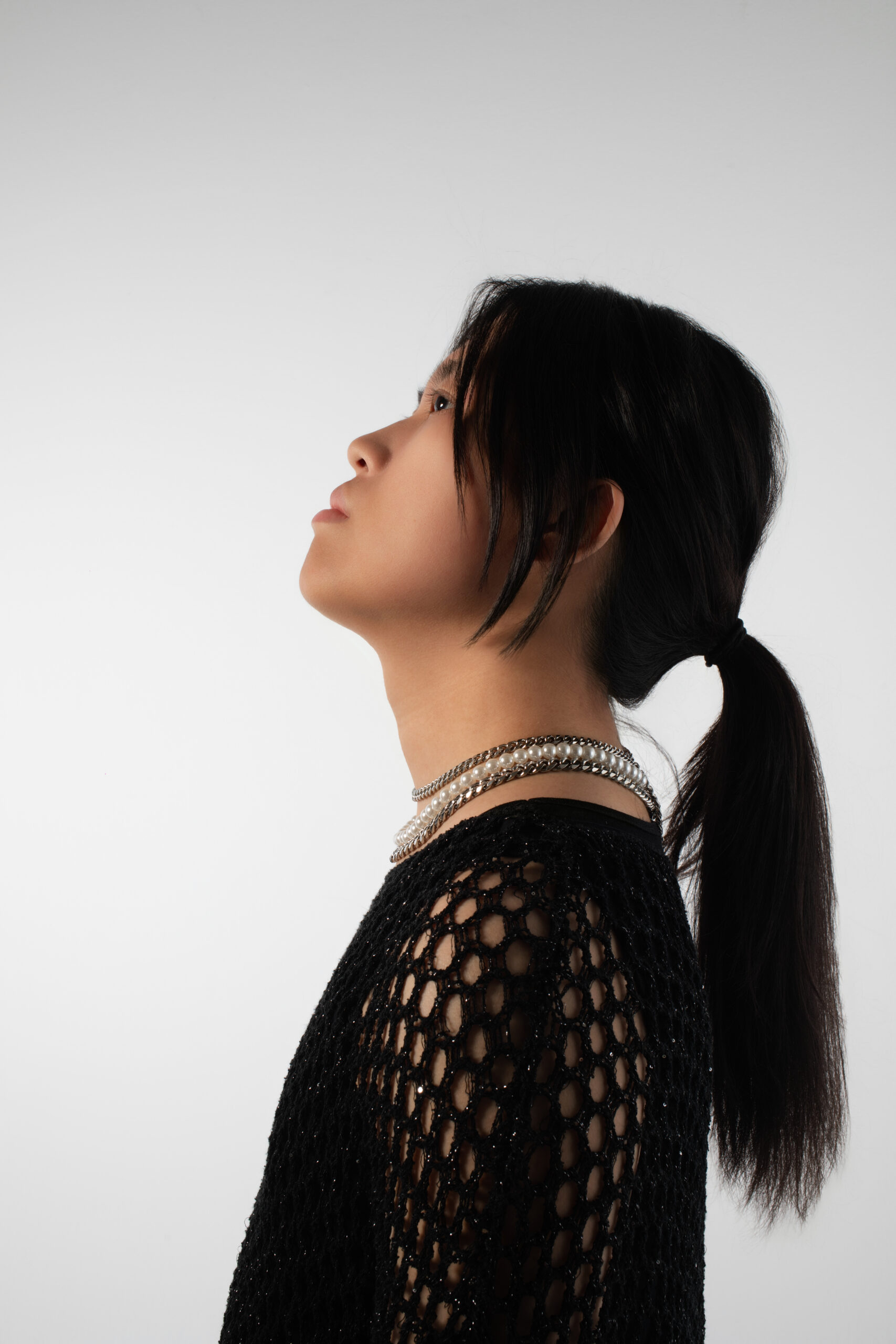
Q: Hi! Let’s start with Feel Addicted—where were you when the first spark of that track came to you?
A: The very first spark actually dates back about seven years. I was on a solo trip through Africa. Traveling through Johannesburg, Zimbabwe, Botswana, and Zambia, was a massive journey of self-discovery for me, and I recorded this rough voice memo of the melodic idea while I was there. It sat in my archives until recently, when a walk on the beach during IMS Ibiza brought that feeling back and gave me the clarity to finally finish it.
Q: There’s such a warm, summery vibe to it—what were you feeling when you were making it?
A: I wanted to capture the freedom and euphoria I felt being myself among other artists. After years of playing and producing more intense club weapons, my first trip to Ibiza showed me that I don’t have to adapt to the dancefloor or play Top 40 hits to get a reaction. People will move to your music as long as you project your artistic identity through it. I was in a headspace where I wanted to create something bright and groovy. It’s about that feeling of being completely present in a moment where you just don’t want the vibe to end.
Q: You really leaned into that beachy, happy energy. Was that a conscious decision to step away from the club sound?
A: It was a conscious shift toward “Pop House,” but I wouldn’t say I’ve stepped away from the club. My roots are in the club, so even when I’m making something “beachy,” I’m still building the kick and bass to make sure it hits hard on a professional system. It’s more about the emotional frequency shifting from dark to light.
Q: Can we talk about that saxophone? It adds so much life. How did that part come together?
A: Interestingly, that direction came from a conversation I had with a label owner at ADE. They noticed I had a very strong focus on piano melodies and suggested I try applying those same melodic sensibilities to other instruments. I took that advice to heart, and when I got back to the studio, I started laying down the backing chords first, and then I composed the saxophone leads directly on top of them. Doing it in that order allowed the sax to breathe this organic, human energy into the electronic foundation. Inspiration-wise, I was aiming for a vibe somewhere between Lush Life and Lean On, which is a mashup I actually made in the past.
Q: You’ve got Latin grooves, Afro-accented vocals… was it important for you to mix global sounds into this one?
A: It’s essential to who I am. My identity is basically a global crossroads since I am Singapore-born and Tokyo-based, so I’ve always viewed music as a borderless language. The Latin-influenced foundation sets the rhythm, but those Afro-accented vocals are a very personal tribute to a solo journey I took through Africa years ago. It actually took some real effort to find a suitable African singer for this; I spent a lot of time digging through the credits of artists like Wizkid to find the right vocal texture. While I don’t have permission to share her name just yet, I hope to one day reach a level where vocalists are as excited to have their names listed alongside mine as I am to work with them. Bringing these global textures together wasn’t just a stylistic choice; it was about making the track reflect the specific places that shaped my sound.
Q: You’ve been in the game for over a decade—how has your creative process changed over the years?
A: I’ve become much more “melody-first” in my approach. When I started out, I was often distracted by the technical side or the “loudness” of a track, but now I prioritize the hook and the raw emotion above everything else. My rule now is that if a track doesn’t work as a simple piece with minimal stems, it isn’t ready for full production. I have also learned to trust my archives much more. I used to feel like I had to finish everything immediately, but now I realize that a rough voice memo from a trip seven years ago might just be waiting for the right moment of inspiration to finally catch fire.
Q: From acapella to remixes to producing your own original music—what’s been the most exciting part of that journey?
A: The most exciting part is the international pivot I am navigating right now. Transitioning from a selector to a creator has fundamentally changed how I view the dancefloor. It is an incredible feeling to see my music move from my studio in Tokyo to established labels like Black Hole and Revealed. Hearing these tracks played globally by some of the most famous DJs is the ultimate validation of that journey. Moving from simply playing other people’s records to building my own original sound has made the music feel much more personal.
Q: Who were you picturing when you made Feel Addicted? Like, who’s this song really for?
A: Even though I didn’t write the lyrics myself, I felt an immediate connection to them because they speak to a level of resilience that mirrors my own journey. When the vocalist sings about seeing “many bad things” but never stopping, or the “sacrifices” made along the way, it captures that grit you need to survive in the music industry. I was picturing anyone who is climbing their own metaphorical Kilimanjaro. It is for the people who are so dedicated to their vision that they have to ignore the distractions of the world to stay focused. It is for those who feel that obsessive, almost addictive pull toward their goals, even when the path is difficult.
Q: Your other track Maybe Tonight had a different vibe—how do these two songs reflect where you’re heading next?
A: I think even though the energy shifted between the two, the genre fundamentally stayed the same. It shows that I have found my sound in that piano house and progressive space. Whether it is the bright, beachy feel of Feel Addicted or the more dreamy, late-night atmosphere of Maybe Tonight, the core DNA remains consistent. Moving forward, I want to prove that my sound is a signature that can adapt to different environments without losing its identity. It is about showing that this specific style of house music is versatile enough to soundtrack a sunset or a dark club while still feeling like one cohesive project.
Q: You’ve got Miami Music Week coming up—how are you feeling about that set? Anything special planned?
A: I am incredibly hyped for it. I will be in Miami from March 25th to 29th, and I am particularly looking forward to playing the House Stars event on the 28th. For that set, I have been preparing several exclusive tech house edits of dance-pop tracks and a few unreleased IDs that I think will really thrive in that specific Miami energy. It is a pivotal week for me to represent my label, Isopach, and to show how the sound I have been developing in Tokyo translates to a global stage.
I’m also really looking forward to being at Ultra. A close friend of mine managed to get me artist-level access for the weekend, so I am excited to just soak in the production from that perspective and connect with other artists and industry folk between sets. My goal for the whole trip is to bring a performance that feels as high-stakes as the week itself while making the most of every moment.
Q: What’s cooking for the rest of the year? More music? Any dream collabs in the works?
A: The rest of 2026 is about maintaining the momentum I have built. I have been locked into a monthly release schedule since 2024 and I am not slowing down. Next is the VIP mix of Set Me Free on February 13. It has been a while since I produced Mainstage and I am really hoping that the energy and my specific vision for that sound resonate with both DJs and clubgoers. Additionally, I have another dance-pop release coming at the end of that month. I decided that even if I release B-side genres that are not central to my current sound, I will still honor my commitment to that monthly drop, so look forward to both my upcoming releases and B-sides experiments this year!
Beyond the studio, I am heading to Belgium in July for the Tomorrowland Academy Bootcamp to keep evolving as a producer, followed by a return to Amsterdam for ADE. I am also currently in the process of expanding my international footprint for the summer festival season. Following the Miami dates, my focus is on bringing this sound to more global stages and I am in active discussions to lock in those summer slots. My main goal for the year is to continue scaling my label, Isopach Records, and proving that this international pivot is just the beginning. I want to build a platform where both my music and the artists I collaborate with can truly shine on a global scale.